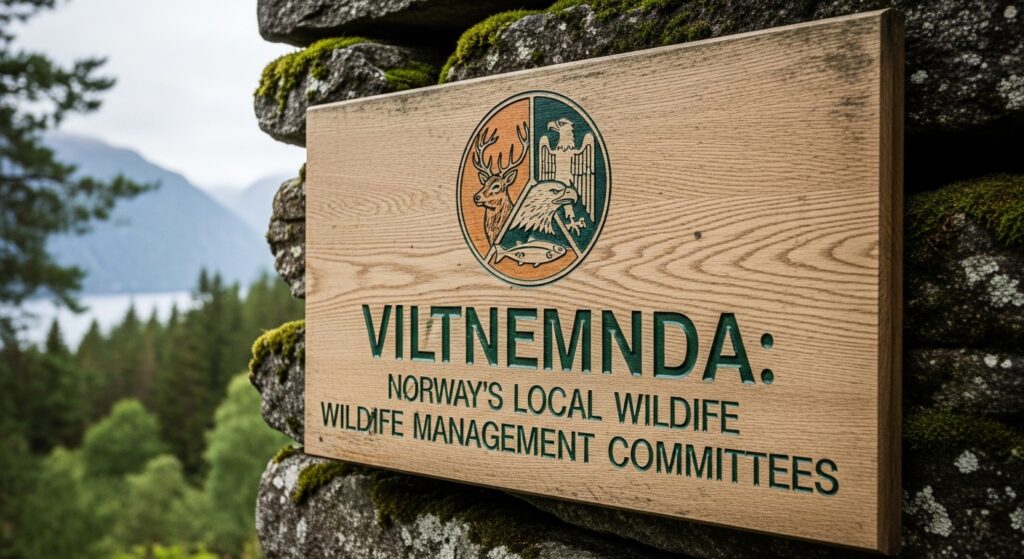
Norway is globally recognized for its strong environmental policies and sustainable wildlife management practices. A key part of this system is Viltnemnda, the local wildlife management committee responsible for overseeing wildlife-related issues at the municipal level.
What is Viltnemnda?
Viltnemnda is a Norwegian term referring to local wildlife management committees established within municipalities. These committees are responsible for handling wildlife-related matters such as:
- Wildlife population control
- Damage caused by animals
- Hunting regulations
- Public safety involving wild animals
They act as an important link between national environmental policies and local implementation.
The Role of Viltnemnda in Norway
Viltnemnda serves as a decision-making and advisory body at the municipal level.
Its main role is to ensure:
- Sustainable wildlife populations
- Safe interaction between humans and animals
- Proper implementation of hunting laws
- Protection of biodiversity
It helps maintain a balance between nature and human activity.
How Viltnemnda is Structured
Viltnemnda is typically organized under municipal governance.
Key Structural Features:
- Appointed members from local authorities
- Coordination with environmental agencies
- Collaboration with landowners and hunters
- Reporting to higher administrative bodies when needed
Members are usually selected based on knowledge of wildlife, agriculture, or environmental management.
Key Responsibilities of Viltnemnda
1. Wildlife Population Control
Monitoring species such as deer, moose, and other wild animals to prevent overpopulation.
2. Damage Management
Handling cases where wildlife causes damage to agriculture, property, or infrastructure.
3. Hunting Regulation
Setting guidelines for hunting seasons and quotas in line with national laws.
4. Emergency Wildlife Situations
Responding to accidents involving wild animals and public safety risks.
Wildlife Management in Norway Explained
Norway’s wildlife management system is based on sustainability. The goal is to ensure that animal populations remain healthy while minimizing conflicts with humans.
Viltnemnda plays a local role in this system by:
- Collecting field data
- Making local decisions
- Implementing national guidelines
Relationship Between Viltnemnda and Local Authorities
Viltnemnda works closely with:
- Municipal governments
- Environmental agencies
- Police authorities (in some cases)
- Landowners and hunters
This cooperation ensures that wildlife policies are effectively enforced at the ground level.
Hunting Regulation and Safety Control
Hunting is an important part of wildlife management in Norway. Viltnemnda helps regulate:
- Hunting permits
- Seasonal restrictions
- Species quotas
- Safety requirements
This ensures that hunting remains sustainable and controlled.
Environmental and Conservation Duties
Viltnemnda also supports conservation efforts by:
- Protecting endangered species
- Maintaining biodiversity
- Monitoring habitat conditions
- Preventing ecological imbalance
Their work contributes to Norway’s strong environmental reputation.
Challenges Faced by Viltnemnda
Despite its importance, Viltnemnda faces several challenges:
1. Human-Wildlife Conflicts
Increasing urban expansion leads to more interactions with wildlife.
2. Climate Change Impact
Changing ecosystems affect animal migration and population patterns.
3. Limited Resources
Some municipalities may lack sufficient funding or expertise.
4. Public Expectations
Balancing conservation with agricultural and hunting interests can be complex.
Importance of Viltnemnda in Modern Wildlife Governance
Viltnemnda is essential for:
- Sustainable ecosystem management
- Preventing wildlife-related accidents
- Supporting rural communities
- Maintaining ecological balance
It represents a decentralized but effective governance model.
Conclusion
Viltnemnda plays a vital role in Norway’s environmental and wildlife management system. By combining local knowledge with national policies, these committees ensure sustainable wildlife populations and safe human-wildlife coexistence.
FAQ’s
What is Viltnemnda in Norway?
Viltnemnda is a local wildlife management committee responsible for handling wildlife-related issues at the municipal level in Norway.
What does Viltnemnda do?
It manages wildlife populations, regulates hunting, handles animal-related damage, and supports conservation efforts.
Who works in Viltnemnda?
Members are typically appointed by municipal authorities and may include environmental experts, landowners, and local officials.
Is Viltnemnda part of the government?
Yes, it operates under municipal governance and follows national wildlife laws and guidelines.
Why is Viltn emnda important?
It ensures sustainable wildlife management and helps balance environmental protection with human activity.
Does Viltne mnda control hunting?
Yes, it helps regulate hunting seasons, quotas, and safety rules in accordance with Norwegian law.