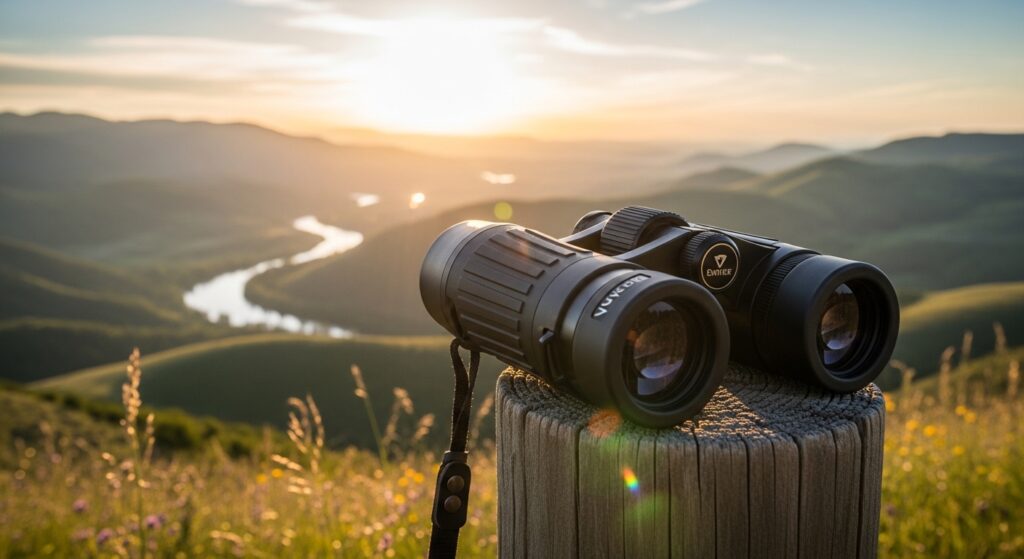
Binoculars have long been essential tools for explorers, birdwatchers, travelers, and outdoor enthusiasts. By combining portability with powerful magnification, binoculars allow users to observe distant objects with clarity and detail. Whether you are watching wildlife, enjoying a sporting event, or exploring scenic landscapes, binoculars transform ordinary viewing into an immersive visual experience.
Modern binoculars integrate advanced optical technology, making them more compact, durable, and precise than ever before. From casual users to professionals, binoculars remain a versatile and valuable instrument.
What Are Binoculars?
Binoculars are handheld optical devices consisting of two aligned telescopes mounted side by side. This design allows both eyes to view the same magnified image, creating depth perception and a more natural viewing experience. Unlike monoculars or telescopes, binoculars offer comfort and stability for extended observation.
They are widely used in activities such as:
- Birdwatching
- Hiking and camping
- Hunting
- Sports viewing
- Marine navigation
- Astronomy
How Binoculars Work
Binoculars use lenses and prisms to magnify distant objects. The objective lenses gather light, while prisms flip the image right-side-up. The eyepieces then magnify the image for the viewer. This combination produces a clear and enlarged view.
Two common prism designs include:
- Roof prism binoculars
- Porro prism binoculars
Each type has its own advantages in size, weight, and optical performance.
Understanding Binocular Numbers
Binoculars are often labeled with numbers such as 8×42 or 10×50. These numbers represent:
- First number: Magnification power
- Second number: Objective lens diameter in millimeters
For example, 10×42 binoculars magnify objects ten times and use 42mm objective lenses for brightness.
Key Features to Consider
Magnification
Higher magnification brings objects closer but may reduce stability. Popular choices include 8x and 10x magnification.
Objective Lens Size
Larger lenses allow more light, improving brightness in low-light conditions.
Field of View
A wider field of view helps track moving objects, especially useful for wildlife observation.
Lens Coating
Coated lenses reduce glare and enhance image clarity.
Durability and Waterproofing
Many binocular’s are designed to withstand outdoor conditions, including rain and dust.
Types of Binoculars
Compact Binoculars
Small and lightweight, ideal for travel and casual use.
Full-Size Binoculars
Offer brighter images and are suitable for serious outdoor activities.
Marine Binoculars
Waterproof and fog-proof, designed for boating and marine navigation.
Astronomy Binoculars
Large lenses provide excellent low-light performance for stargazing.
Birdwatching Binoculars
Balanced magnification and wide field of view for tracking birds.
Popular Binocular Brands
Some well-known manufacturers in the optics industry include:
- Nikon
- Bushnell
- Leica
- Zeiss
These companies are recognized for producing high-quality binoculars across different price ranges.
Benefits of Using Binoculars
- Enhanced distant viewing
- Portable and easy to carry
- Suitable for multiple activities
- Improved depth perception
- Durable outdoor designs
- Wide range of price options
Choosing the Right Binoculars
When selecting binoculars, consider:
- Intended use (birdwatching, sports, travel)
- Magnification preference
- Weight and portability
- Budget
- Weather resistance
Matching these factors ensures the best viewing experience.
Binoculars vs Telescopes
| Feature | Binoculars | Telescopes |
|---|---|---|
| Portability | High | Low |
| Ease of Use | Simple | More complex |
| Viewing Comfort | Two eyes | One eye |
| Magnification | Moderate | Very high |
| Best For | General observation | Astronomy |
This comparison shows why bino culars are often preferred for everyday outdoor use.
Maintenance Tips
- Clean lenses with a soft microfiber cloth
- Store in a protective case
- Avoid touching lenses directly
- Keep dry when not waterproof
- Use lens caps when not in use
Proper care extends the life and performance of binoculars.
The Future of Binocular Technology
Modern bino culars are evolving with features such as:
- Image stabilization
- Built-in rangefinders
- Digital integration
- Lightweight materials
- Enhanced coatings for clarity
These innovations continue to improve viewing precision and user convenience.
Conclusion
Binoculars remain a timeless tool for exploring the world through precision optics. Their portability, versatility, and advanced technology make them ideal for outdoor adventures, sports viewing, and nature observation. Whether you are a beginner or an experienced enthusiast, investing in the right binoculars can significantly enhance your visual experiences.
Frequently Asked Questions (FAQ’s)
What are bino culars used for?
Bino culars are used for magnifying distant objects during activities like birdwatching, sports viewing, and hiking.
What do bino cular numbers mean?
They represent magnification power and objective lens size.
Are bino culars good for stargazing?
Yes, binoculars with large objective lenses are suitable for astronomy.
Which magnification is best for beginners?
8x or 10x magnification is generally recommended.
Are waterproof bino culars necessary?
They are helpful for outdoor and marine use.
Can bino culars be used with glasses?
Yes, many models offer adjustable eyecups for glasses wearers.
How do I clean bino cular lenses?
Use a microfiber cloth and avoid harsh cleaning materials.
Are expensive bino culars better?
Higher-priced models often offer better optics and durability.
What is the difference between roof and Porro prisms?
Roof prisms are compact, while Porro prisms usually provide wider depth perception.
How long do bino culars last?
With proper care, binoculars can last many years.