
Singapore’s florist industry is far more than a simple retail trade of flowers. It is a living expression of culture, emotion, and artistry that continues to evolve alongside the city-state’s rapid urban development. In a place known for its modern skyline and fast-paced lifestyle, florists bring a refreshing contrast of nature, beauty, and human connection. From intimate bouquets to grand event installations, the work of a florist in Singapore reflects a delicate balance between tradition, creativity, and modern commercial demand.
The Cultural Roots of Floral Artistry in Singapore
The appreciation of flowers in Singapore is deeply connected to its multicultural heritage. Over generations, floral arrangements have played meaningful roles in religious ceremonies, family traditions, and community celebrations. Flowers are not just decorative elements; they carry symbolism that represents emotions such as respect, love, remembrance, and prosperity.
Different cultural communities in Singapore have their own floral traditions, which have blended over time to create a diverse and vibrant floral culture. This fusion is reflected in the way modern florists design arrangements that appeal to various cultural preferences while still maintaining a universal sense of beauty. Even as lifestyles become more modern, the emotional significance of flowers remains deeply rooted in society.
The Growing Economic Role of Floristry
The florist industry in Singapore contributes meaningfully to the broader economy, supporting not only retail businesses but also a wide network of related sectors. These include flower cultivation suppliers, logistics providers, packaging companies, and event planners. As demand for floral products continues to grow, especially during festive seasons and special occasions, the industry demonstrates strong resilience and adaptability.
Floristry has also expanded into the luxury and lifestyle segments, where premium floral arrangements are sought after for corporate events, weddings, and interior decoration. This expansion has helped elevate floristry from a traditional trade into a dynamic and competitive industry that blends artistry with entrepreneurship.
Floral Education and the Rise of Creative Training
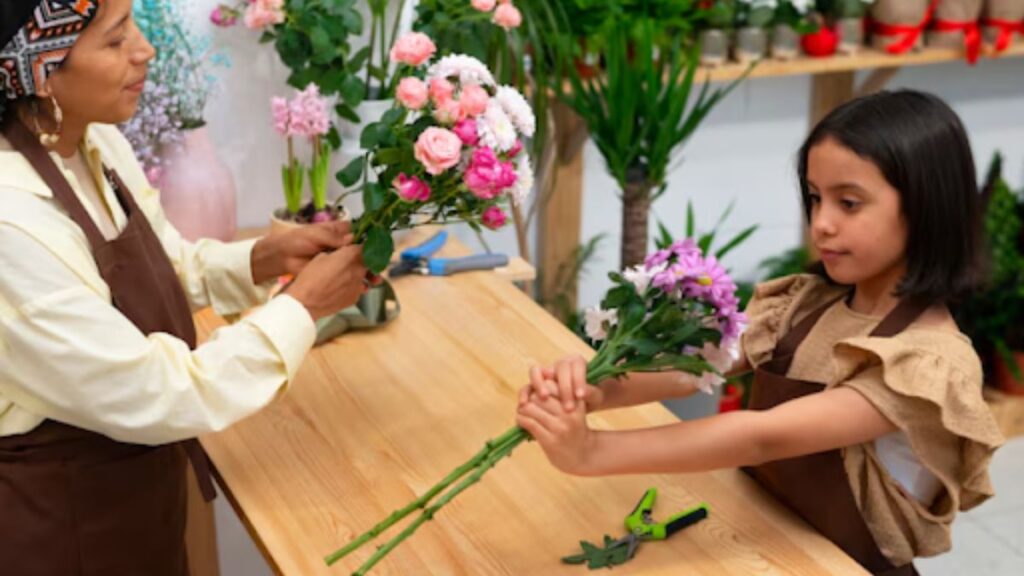
As interest in floral design increases, formal training institutions and workshops have become more prominent in Singapore. These educational platforms provide aspiring florists with both technical skills and artistic guidance. Students learn how to work with different types of flowers, understand colour harmony, and create compositions that suit various themes and occasions.
Beyond artistic training, many programmes also emphasise business knowledge, helping students understand customer service, marketing, and shop management. This combination of creativity and practical skills prepares graduates to succeed in a highly competitive market. As a result, floristry is increasingly seen not just as a passion-driven craft but also as a viable professional career path.
The Digital Transformation of Flower Businesses
Like many industries, floristry in Singapore has embraced digital transformation. Online platforms have changed the way customers interact with flower shops, making it easier to browse arrangements, place orders, and request customisation services. This shift has significantly expanded the reach of florists, allowing them to serve customers beyond physical store locations.
Social media has also played a powerful role in shaping modern floristry. Platforms that focus on visual content have become essential tools for showcasing floral designs, attracting new customers, and building brand identity. The digital space has transformed flowers into a visual storytelling medium, where creativity can reach a global audience instantly.
Modern Trends in Floral Design
Floral design in Singapore has evolved to reflect changing consumer preferences and global aesthetics. One of the most noticeable trends is the growing popularity of minimalist arrangements. These designs often feature simple colour palettes, clean structures, and carefully selected blooms that emphasise elegance through simplicity.
At the same time, bold and expressive arrangements remain in demand, especially for celebrations and large-scale events. Florists are now experimenting with textures, unconventional flower pairings, and artistic installations that push the boundaries of traditional floral design. This evolution reflects a growing appreciation for flowers as both artistic expression and emotional communication.
Technology Enhancing Floral Creativity
Technology has become an important tool in modern floristry, improving both efficiency and creative possibilities. Advanced storage systems help maintain flower freshness for longer periods, ensuring higher quality arrangements for customers. Digital tools also assist florists in planning designs, managing inventory, and coordinating deliveries more effectively.
In addition, design software allows florists to visualise arrangements before physically creating them. This not only reduces material waste but also allows for more precise customisation based on client preferences. Through the integration of technology, floristry has become more innovative while still preserving its artistic essence.
Sustainability in the Floral Industry
Environmental awareness has become an important focus for florists in Singapore. Many businesses are shifting toward sustainable practices, such as sourcing locally grown flowers to reduce transportation emissions and using biodegradable packaging materials to minimise environmental impact.
Some florists are also exploring creative ways to reduce waste, such as repurposing flowers after events or promoting dried flower arrangements that last longer. These efforts reflect a broader commitment to sustainability and responsible consumption, aligning the industry with global environmental goals.
Customer Experience and Personal Connection
In a competitive market, customer experience plays a vital role in the success of florists. Many businesses focus on building strong relationships with their clients by offering personalised services tailored to specific occasions and preferences. This might include custom bouquet designs, thoughtful recommendations, or curated floral themes for events.
The emotional aspect of floristry makes customer interaction especially meaningful. Flowers are often purchased during important life moments, and florists play a role in helping customers express emotions that may be difficult to put into words. This personal connection helps build trust and long-term loyalty.
Flowers as Cultural Expression for Every Occasion
One of the most fascinating aspects of floristry in Singapore is its ability to reflect cultural diversity through floral arrangements. Different occasions call for different floral meanings, and florists must understand these cultural nuances to create appropriate designs.
Festivals such as Chinese New Year often feature flowers symbolising prosperity and good fortune, while other cultural celebrations incorporate blooms that represent purity, celebration, or remembrance. Florists act as cultural interpreters, helping customers choose arrangements that align with tradition and meaning.
Challenges Within the Floristry Industry
Despite its beauty and creativity, the floristry industry faces several challenges. Flower supply can be affected by weather conditions and global supply chain disruptions, leading to fluctuations in availability and pricing. Additionally, because flowers are perishable, managing inventory efficiently is a constant concern.
Another challenge lies in balancing traditional floral artistry with modern design trends. Florists must continuously adapt to changing consumer preferences while maintaining the authenticity of their craft. However, these challenges often encourage innovation, pushing florists to develop new techniques and creative solutions.
Continuous Learning and Industry Development
Ongoing education is essential in maintaining the growth and relevance of floristry in Singapore. Workshops, exhibitions, and industry events provide opportunities for florists to learn new skills, discover emerging trends, and connect with other professionals in the field.
These learning environments foster creativity and encourage collaboration, helping the industry stay dynamic and forward-thinking. As floristry continues to evolve, continuous development ensures that professionals remain inspired and well-equipped to meet changing demands.
Conclusion: A Blooming Future for Singapore’s Florists
The florist industry in Singapore represents a beautiful intersection of tradition, innovation, and emotional expression. It continues to evolve in response to cultural influences, technological advancements, and environmental awareness, while still preserving its artistic soul.
Florists in Singapore are not just creators of beautiful arrangements; they are storytellers, cultural ambassadors, and innovators who bring meaning to life’s most important moments. As the industry moves forward, it will continue to flourish, enriching both the urban landscape and the emotional experiences of those who encounter its creations.