
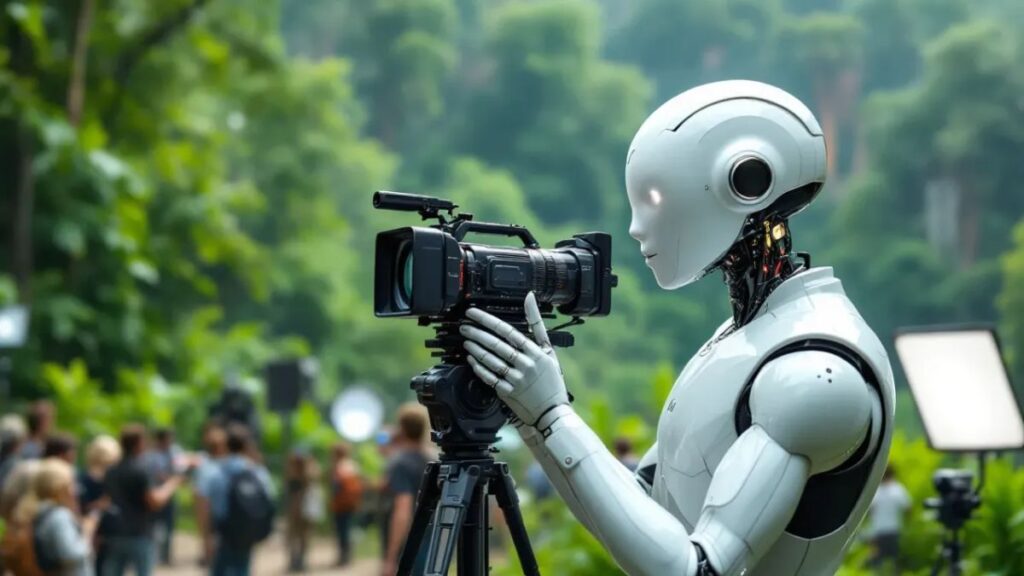
Artificial intelligence has transformed many aspects of digital content — from image generation to automated text writing and voice synthesis. One of the most profound shifts happening now is in video production. Traditionally, filmmaking and video creation required cameras, crews, sets, post-production editing systems, and technical teams. Today, those barriers are falling thanks to advancements in generative AI models. Among the most exciting developments leading this change is Google Veo 3 AI, a next-generation model designed to generate fully realized videos — including synchronized audio — from simple text or image prompts. Understanding its capabilities and implications offers a glimpse into the future of digital storytelling, marketing, education, entertainment, and more.
What Is Google Veo 3 AI?
Google Veo 3 AI is an advanced artificial intelligence video generation model developed by Google’s DeepMind division. Unlike earlier AI models that focused solely on still images or required separate tools to add audio, Veo 3 natively generates both video and synchronized sound — including dialogue, sound effects, ambient audio, and music — directly from text prompts. This means that creators no longer have to combine multiple systems to generate visuals and then manually edit audio. Instead, Veo 3 produces cohesive audiovisual content in a single generation step.
The model employs multimodal transformer architectures that understand both the visual and auditory domains. This lets it not only generate realistic motion but also match spoken dialogue and environmental audio to visual context. This capability marks a significant shift in how AI can support comprehensive storytelling, rather than just visual generation alone.
Key Features Driving the Next Generation of AI Video
Google Veo 3 AI introduces a suite of features that position it as a pivotal tool in content creation:
Native Synchronized Audio and Visual Generation
One of the most groundbreaking aspects of Veo 3 is its ability to generate audio concurrently with visuals. Previous AI video generation systems often required separate workflows to add narration or music after the visuals were produced. Veo 3 handles both simultaneously, producing synchronized dialogue and sound effects that match character lip movements and scene dynamics. This cohesive approach reduces post-production time and technical complexity.
High-Quality, Cinematic Outputs
Veo 3’s visual outputs exhibit refined lighting, physics-aware motion, and realistic camera behaviors such as pans and tracking shots. The result is video content that simulates professional filmmaking techniques. Models like these are capable of producing content in resolutions up to 4K, which meet modern quality standards for broadcast, streaming platforms, and digital displays.
Multimodal Input Flexibility
Beyond text, Veo 3 supports multimodal inputs including text with audio descriptions and image references. This allows creators greater control over stylistic direction, character consistency, and environmental context. Creative workflows can start with minimal input, and then be refined with additional instructions.
Aspect Ratio and Format Support
Newer updates to Veo 3 expand its utility for contemporary publishing formats. For example, support for vertical 9:16 video formats and 1080p resolution enhances its relevance for social platforms like TikTok, Instagram Reels, and YouTube Shorts, where mobile-first consumption dominates.
How Veo 3 AI Changes the Content Creation Landscape
The implications of Veo 3 and similar models extend far beyond novelty — they redefine who can produce compelling video content and how that content is generated.
Democratization of Video Production
Historically, producing polished video content required technical expertise, expensive equipment, and significant production time. Veo 3 minimizes these barriers by allowing anyone with a basic text description to generate video sequences. Content creators, educators, small businesses, and storytellers no longer need extensive production crews or editing suites to produce high-quality video. All that’s needed is a concept and a prompt.
This democratization is similar to how early blogging platforms lowered the barrier to publishing online writing. AI video tools could make video — often considered a high-investment medium — accessible to nearly everyone.
Automation of Complex Editing Tasks
Frame continuity, camera motion, object interactions, and audio synchronization are all tasks that normally take hours of manual editing. Veo 3 automates many of these tasks, allowing creators to focus more on narrative and less on technical execution. Tasks such as aligning sound effects to specific movements, generating character dialogue, and calibrating camera angles are handled internally by the model.
Support for Diverse Creative Outputs
Because the system accepts rich, detailed prompts, creators can generate a wide range of content — from product showcases and tutorial clips to narrative sequences and cinematic trailers. The model’s ability to adapt to varied creative goals makes it a versatile tool for marketers, educators, storytellers, and professionals.
Ethical and Practical Challenges
Despite its transformative potential, the rise of tools like Veo 3 also introduces complex challenges.
Misinformation and Deepfake Risk
High-fidelity audiovisual generation raises concerns about misuse — particularly in generating deceptive or manipulated content. Powerful text-to-video capabilities could be used to fabricate realistic scenes that never occurred, potentially misleading viewers or spreading false narratives. Instances of such misuse have been documented in relation to deepfake content, and watchdogs have highlighted the need for safeguards and responsible deployment.
Addressing misinformation requires evolving technical safeguards, watermarking, and policy frameworks to help identify and manage AI-generated content responsibly.
Content Ownership and Licensing
Questions about copyright and ownership of AI-generated content persist. Since models like Veo 3 are trained on extensive datasets, there are ongoing debates about how content rights should be handled when AI produces derivative work.
Environmental Considerations
Rendering high-quality video content with sophisticated AI models requires significant computing resources. The environmental cost of running these systems at scale should be considered as part of broader discussions about sustainable AI deployment.
Google Veo 3 AI in Real-World Content Workflows
The practical use cases for Veo 3 stretch across industries and content types:
1. Marketing and Advertising
Brands can quickly produce promotional videos with voiceover, product walkthroughs, and cinematic effects using simple prompts. The ability to generate multiple variations from a single script enables rapid campaign testing and iteration.
2. Education and Training
Educational platforms can benefit from AI-generated videos that explain complex concepts through narrative sequences, motion graphics, and synchronized narration — all without filming in a studio.
3. Social Media and Short-Form Content
With support for aspect ratios tailored to mobile viewing and platforms like TikTok and Instagram, Veo 3 enables creators to produce engaging short videos that are visually rich and audio-ready. These capabilities align with modern consumption habits, where short, attention-grabbing visuals drive engagement.
4. Storytelling and Entertainment
Independent storytellers can use AI to prototype scenes, generate cinematic sequences, or create short films. The reduction in technical barriers can expand creative expression and provide new avenues for narrative exploration.
Google Veo 3 AI and Related Tools
While Veo 3 represents a significant leap, it sits within a broader ecosystem of AI video creation tools. For example, platforms like Invideo integrate Veo 3.1 directly, allowing users to generate video content using advanced models without needing to interact with raw APIs or code. Within Invideo, creators can write prompts and select models like Veo 3.1 to generate finished video outputs, complete with natural motion and embedded sound.
This integration simplifies the user experience, particularly for those who are less technically inclined but still want to harness leading AI capabilities for their content workflows.
What’s Next for AI Video Technology?
The ongoing evolution of AI video technologies points toward several future trends:
Increased Creative Flexibility
As models improve, they may support longer scenes, more precise character control, and multi-scene narratives — blurring the line between traditional film production and generative creation.
Real-Time Interactive Generation
Future iterations may allow creators to adjust scenes in real time — changing camera angles, dialogue, or motion with instantaneous rendering — enhancing interactive creativity.
Integration Across Platforms
Deeper integration with social platforms, editing tools, and publishing workflows will make AI video generation a standard part of content pipelines.
Conclusion
Google Veo 3 AI exemplifies the cutting edge of what AI can achieve in automated video creation. By generating synchronized visual and audio content from text prompts, it is reshaping the landscape of content production. As part of the broader category of ai video generator technologies, Veo 3 points toward a future where high-quality video creation is accessible to more creators, teams, and industries than ever before.
This shift promises to accelerate digital storytelling, democratize creative production, and enable new forms of engagement. But it also comes with responsibilities — including ethical deployment, content verification, and thoughtful integration into workflows that respect both creativity and integrity.
In the coming years, AI video tools like Google Veo 3 are likely to become mainstream components of content strategy, powering everything from brand storytelling to educational resources and entertainment. The future of video is intelligent, integrated, and deeply influenced by the evolution of AI — and tools like Veo 3 are leading the way.