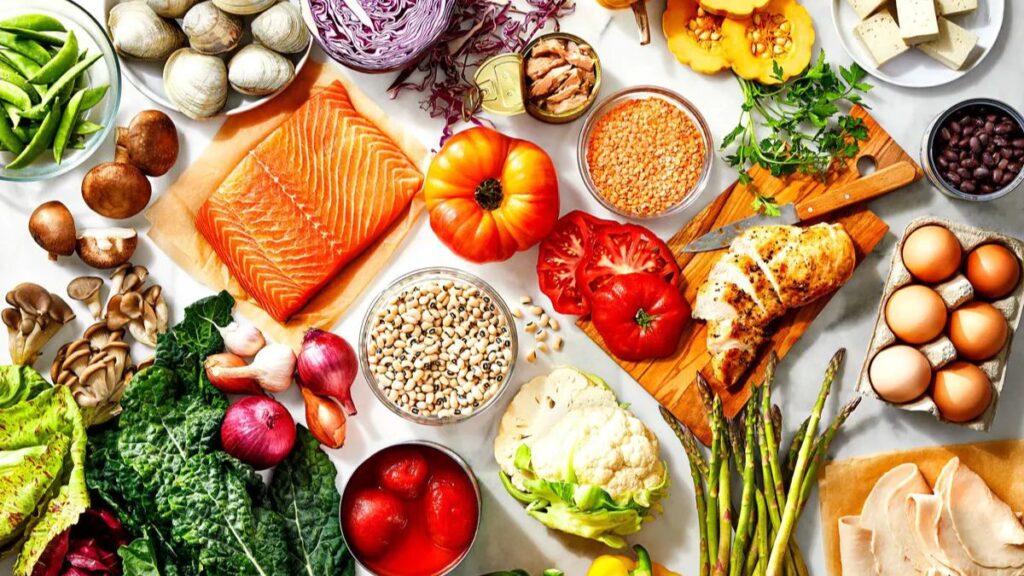
Healthy eating becomes much easier when you have a reliable list of nutritious foods that can serve as the foundation of your meals. One reason the ZeroPoint concept has remained popular among Weight Watchers members is its focus on foods that are naturally filling, nutrient-dense, and versatile enough to fit into a variety of eating styles.
Whether you’re planning weekly meals, stocking your refrigerator, or looking for healthier snack options, having a go-to list of staples can simplify decision-making and reduce the stress that often comes with trying to eat well.
This guide highlights 21 healthy staples that can help support balanced eating and make meal planning more manageable. Think of it as a quick-reference resource that helps you identify practical ingredients you can use throughout the week.
Why ZeroPoint Foods Matter
Many people struggle with healthy eating because they focus on what they can’t have. The ZeroPoint approach shifts attention toward foods that provide nutritional value and satisfaction.
These foods often share several important qualities:
- High in protein or fiber
- Naturally nutrient-dense
- Easy to incorporate into meals
- Helpful for managing hunger
- Suitable for a variety of recipes
By building meals around these staples, it’s often easier to create balanced plates without feeling restricted.
Protein-Packed Staples
1. Chicken Breast
Lean, versatile, and easy to prepare, chicken breast works well in salads, wraps, soups, and stir-fries. It’s one of the most practical meal-prep ingredients available.
2. Turkey Breast
Turkey provides a lean source of protein and can be used far beyond holiday meals. Ground turkey is particularly useful for tacos, burgers, and casseroles.
3. Eggs
Eggs remain one of the most convenient and affordable protein sources. They work equally well for breakfast, lunch, dinner, or snacks.
4. Tuna
Canned tuna offers convenience and versatility. It can quickly transform a salad, sandwich, or grain bowl into a satisfying meal.
5. Salmon
Salmon provides high-quality protein along with beneficial fats. It can be baked, grilled, or added to meal-prep containers for easy lunches.
6. Nonfat Greek Yogurt
Greek yogurt delivers protein while serving multiple purposes. Use it as a breakfast base, snack, smoothie ingredient, or substitute in recipes.
7. Cottage Cheese
This underrated staple offers excellent protein content and pairs well with fruit, vegetables, or savory toppings.
Fruits That Add Flavor and Nutrition
8. Apples
Apples are portable, affordable, and naturally sweet. They make an excellent snack or addition to breakfast meals.
9. Berries
Strawberries, blueberries, raspberries, and blackberries provide fiber and flavor while supporting balanced eating habits.
10. Bananas
Bananas offer convenience and versatility. They’re ideal for smoothies, oatmeal, or a quick snack before physical activity.
11. Oranges
Packed with refreshing flavor and vitamin-rich nutrition, oranges are a simple way to add variety to your fruit selection.
12. Grapes
Grapes require little preparation and can satisfy sweet cravings while contributing to overall fruit intake.
Vegetables Worth Keeping on Hand
13. Spinach
Spinach is one of the easiest vegetables to incorporate into everyday meals. Add it to smoothies, omelets, soups, or salads.
14. Broccoli
Broccoli delivers fiber, nutrients, and versatility. It works well roasted, steamed, stir-fried, or added to casseroles.
15. Carrots
Carrots provide crunch, natural sweetness, and excellent snack potential. They’re also easy to store for longer periods.
16. Bell Peppers
Colorful and versatile, bell peppers can be enjoyed raw, grilled, roasted, or stuffed for a complete meal.
17. Cucumbers
Refreshing and low-maintenance, cucumbers make a great addition to salads, wraps, and snack plates.
18. Green Beans
Green beans are simple to prepare and pair well with a wide variety of proteins and side dishes.
Plant-Based Powerhouses
19. Beans
Black beans, kidney beans, and pinto beans provide fiber and protein while serving as affordable meal-building ingredients.
20. Lentils
Lentils are highly nutritious and work well in soups, stews, salads, and grain bowls. They’re also budget-friendly.
21. Chickpeas
Chickpeas can be roasted for snacks, blended into dips, or added to salads for extra texture and nutrition.
How to Turn These Staples Into Easy Meals
The real power of these foods comes from combining them into balanced meals. Instead of viewing each ingredient separately, think about how they can work together.
Some simple examples include:
- Greek yogurt topped with berries and sliced bananas
- Chicken breast with broccoli and carrots
- Spinach salad with tuna and cucumbers
- Lentil soup paired with fresh vegetables
- Scrambled eggs with bell peppers and spinach
- Salmon served with green beans and roasted vegetables
When your kitchen contains versatile ingredients, meal planning becomes far less complicated.
Smart Shopping Tips for ZeroPoint Success
Stocking up on healthy staples doesn’t have to overwhelm your grocery budget.
A few helpful strategies include:
- Buy frozen fruits and vegetables to reduce waste.
- Cook proteins in batches for easier meal prep.
- Keep canned beans and tuna available for quick meals.
- Choose produce you’ll actually enjoy eating.
- Build a grocery list around meals rather than individual ingredients.
These small habits can save time and help maintain consistency throughout the week.
A Helpful Resource for Deeper Guidance
While this list provides a useful overview, many people benefit from learning more about how these foods fit into their overall wellness plan. If you’d like a more detailed breakdown, meal-planning ideas, and additional insights, exploring a complete guide to ww zero point foods can provide extra clarity and practical strategies for everyday success.
Building Healthy Habits One Meal at a Time
The most successful eating plans aren’t built around perfection. They’re built around consistency, preparation, and realistic choices that fit into daily life. Having a collection of dependable, nutritious staples on hand makes it easier to create meals that support your goals without requiring constant planning or complicated recipes.
Rather than chasing the latest food trends or restrictive approaches, focus on building a kitchen filled with ingredients you enjoy and can use regularly. Over time, those simple choices create a foundation for healthier habits, greater confidence, and a more sustainable approach to long-term wellness. The foods you keep within reach today can become the building blocks of lasting success tomorrow.