
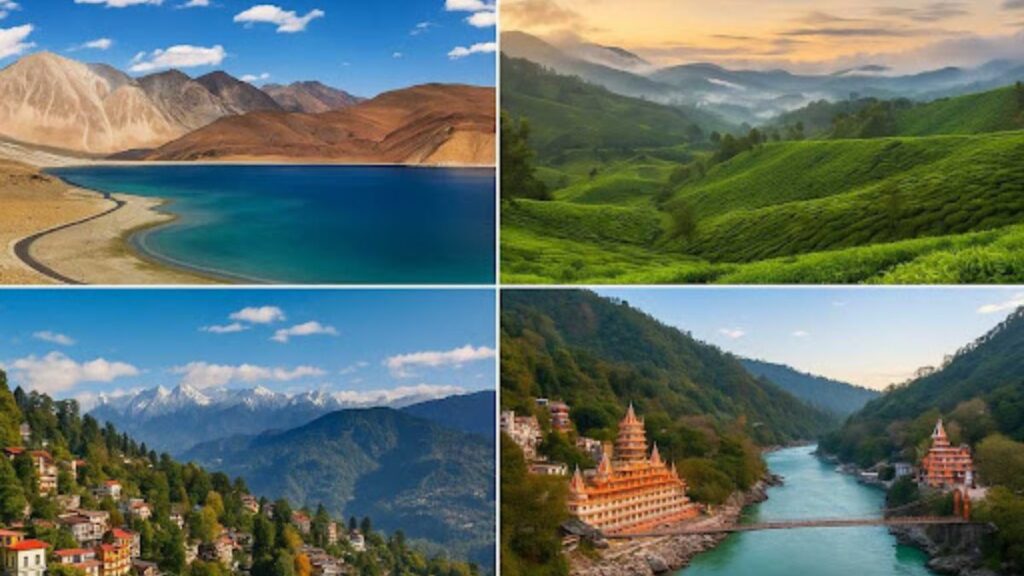
India is vast. Most people know the triangle — Delhi, Agra, Jaipur. But something is shifting. Quietly, steadily, a different kind of traveler is showing up in places that don’t make the glossy brochures. Small hill towns in Meghalaya. Coastal villages in Odisha. Desert hamlets in Kutch where the nearest traffic light is an hour away.
According to India’s Ministry of Tourism, domestic tourist visits crossed 1.7 billion in 2023. What’s less reported is where those visitors are actually going. More than 60% of new travel searches now include tier-2 and tier-3 destinations, a sharp jump from just five years ago.
https://www.bharatvarshayatra.com/best-places-to-visit-in-india-in-june-top-destinations/
Why Travelers Are Leaving the Beaten Path
People are tired of crowds at the Taj at sunrise. They want something that feels earned. A meal cooked by someone’s grandmother — a real family recipe passed down for three generations — tastes different than anything on a tourist menu.
Slow travel is also cheaper. A week in Chhattisgarh or Sikkim costs a fraction of Goa in peak season. Budget-conscious families planning their trips around weeknight schedules and tight calendars are finding that hidden India is more accessible than ever.
Digital Access and the Role of Online Tools
Planning unconventional routes means relying heavily on the internet. Regional guesthouses don’t advertise on big platforms. Local guides are found through forums, community Facebook groups, obscure travel blogs. This creates a real challenge for travelers — especially those researching from outside India or using restricted networks.
This is where cybersecurity and access tools come in. Using VeePN services has become common among travelers who need secure browsing while accessing foreign web resources, booking platforms, or regional travel sites that may be geographically limited. A reliable VPN protects personal data on public hotel Wi-Fi — which, in remote Indian destinations, is rarely secured properly.
The Northeast: India’s Least Discovered Frontier
Meghalaya. Arunachal Pradesh. Nagaland. These names don’t appear on most itineraries, yet they hold some of the most extraordinary landscapes in Asia. Cherrapunji still holds records for rainfall. The living root bridges of Nongriat are older than most European cathedrals.
Tourist infrastructure is thin here, which is the point. You eat what locals eat — simple, warm, filling. Comfort food in the truest sense. Rice and pork stew over a wood fire is a quick dinner that takes all day to deserve.
Odisha: The Temple State Nobody Talks About
Puri gets some attention. But beyond it? Almost nothing. The Konark Sun Temple is a UNESCO site that sees a fraction of the footfall of Agra. The tribal haat markets of Koraput run on their own calendar, selling ingredients that don’t have English names.
Regional travel here means adapting. Meal planning before you go matters — some villages have one small shop, open twice a week. Travelers who come prepared, with flexibility and local knowledge, experience something that mass tourism cannot manufacture.
Himachal’s Hidden Villages Beyond Manali
Spiti Valley has seen a surge. But Kinnaur, its quieter neighbor, still surprises. Apple orchards run along the Sutlej river. The Kalpa monastery at dawn is empty. A family in Sangla might invite you to share what they’ve made — homemade meals built around seasonal produce, buckwheat, and dried fruit.
Forty-three percent of Himachal Pradesh’s 428 panchayats are classified as remote by the state government. Most have never seen a tour bus.
Rajasthan Off the Circuit
Everyone goes to Jaipur and Jodhpur. Far fewer reach Bundi — a walled town with step-wells and a palace that crumbles gracefully into the hillside. Even fewer visit Jhalawar, where medieval temples sit in agricultural fields with no ticket booth in sight.
Easy home cooking here is an event. The dal baati churma that a local family prepares isn’t a restaurant dish. It’s labor, tradition, and time. Watching it teaches you something no guidebook does.
Safety, Connectivity, and the Practicalities
Remote travel comes with real concerns. Medical access, road conditions, network coverage. Planning is everything. Many experienced regional travelers now use tools that combine offline maps with secure cloud backups — and yes, VPN access for staying connected safely. VeePN is one option travelers mention for maintaining secure, stable access. This is particularly useful in areas near sensitive border regions where certain services may be limited.
Go prepared. Tell people where you’re going. Carry cash. Learn five words in the local language.
The Economics of Regional Tourism
Rural tourism could reshape India’s economy in meaningful ways. Studies from the Indian Institute of Tourism and Travel Management suggest that every rupee spent in a village tourism circuit generates 1.8 times more local economic benefit than the same rupee spent in a heritage hotel in a metro city.
The math matters. Busy family meals eaten at a village homestay fund a child’s schooling directly. There’s no corporate chain absorbing the margin.
How Young Indians Are Leading the Change
It’s not just foreign tourists. Urban Indians — 25 to 40, often with families — are rethinking how they travel. Weekend getaways to Coorg or Pondicherry are being replaced by longer drives to places with no Instagram hashtag.
This generation grew up with smartphones and is allergic to manufactured experiences. They want connection. They want to cook something local in a rented kitchen, follow someone’s family recipe, feel like a guest rather than a customer.
What This Means for the Future of Indian Tourism
The shift is real and measurable. Google Trends data shows searches for “offbeat India travel” tripling between 2019 and 2024. New boutique operators are emerging — not in Mumbai or Delhi, but in Shillong, Hampi, and Jaisalmer’s outer villages.
Mass tourism isn’t disappearing. But it’s no longer the only story. India’s true depth — its food, its dialects, its textures — lives in places that reward the curious and patient. That’s not a niche market anymore. It’s becoming the point.